


We love hosting conscious travelers, and island adventurers, those who understand that this is not a hotel destination, but a gateway to experiencing the real Island Life.
If you’ve ever left the beach feeling great, only to wake up the next day with tiny itchy bumps, you’ve probably met Culebra’s tiniest locals, the no-see-ums. Don’t worry, they’re not dangerous, and they’re definitely not bed bugs. They’re just part of tropical island life, and a few simple tips can help you enjoy paradise without the pesky aftermath.
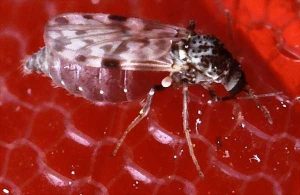
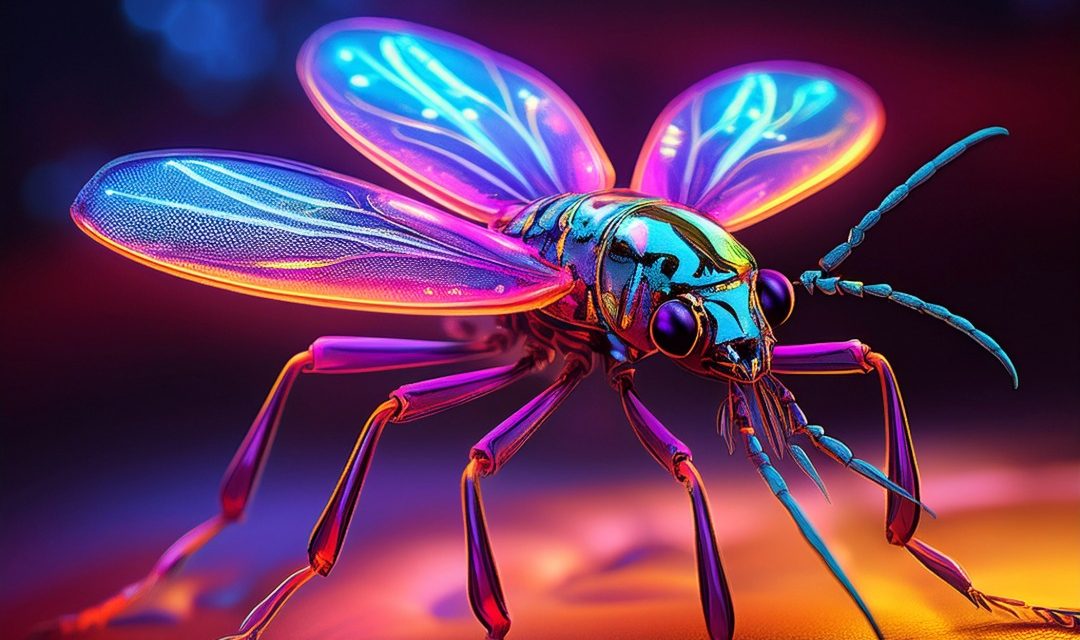
No-see-ums (also known as “biting midges” or “sand flies”) are tiny flying insects, barely visible to the naked eye, think smaller than a grain of pepper.
They live near beaches, mangroves, and areas with standing water. They love warm, humid, calm air, so yes, they adore the Caribbean just as much as you do.
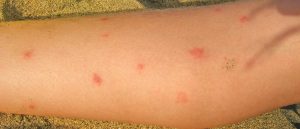
Their bite? You might not even feel it right away, but hours later you’ll notice red, itchy bumps that can look and feel a bit like mosquito or bed bug bites. That’s why so many visitors get confused!

Here’s how to tell the difference:
| No-See-Ums | Bed Bugs |
|---|---|
| Found outdoors, especially near beaches or vegetation | Found indoors, in bedding or furniture |
| Bites appear hours or a day later | Bites usually appear overnight |
| Prefer ankles, legs, arms, and neck (exposed skin) | Often in straight lines where clothing meets skin |
| Thrive in humid, still air at dawn or dusk | Thrive in dark, indoor environments |
So if you spent your day barefoot on the beach and woke up with tiny itchy spots, it wasn’t your bed. It was probably the breeze (and a few invisible locals) at sunset.
No-see-ums are most active around sunrise and sunset, when the air is still and there’s little wind.
You’ll notice fewer of them:
In midday sun
When there’s a steady breeze
Or at air-conditioned indoor spaces
They love the edges of beaches, near dunes, mangroves, or grassy areas, places where the sand stays a little moist.
You don’t have to hide indoors to escape them! Just keep these easy tricks in mind:
Use insect repellent. Look for products with DEET, Picaridin, or Lemon Eucalyptus Oil.
Go with the flow. Literally! They can’t fly well in wind, so a breezy beach spot is your best friend.
Cover up a bit. If you’re watching the sunset, wear a light long sleeve or pants. Loose, light-colored clothing works best.
Avoid still air. They love calm evenings. Fans, breezes, or open-air movement help keep them away.
Rinse off after the beach. Salt and sand can attract them. A quick rinse and fresh clothes go a long way.
It happens to the best of us, here’s how to soothe the itch and bounce back fast:
Wash the area gently with soap and water.
Apply hydrocortisone cream or anti-itch lotion (like calamine or aloe).
A cold compress or ice pack helps with swelling.
For more intense reactions, take an antihistamine (like Benadryl or Claritin).
Try not to scratch! Scratching can make it worse and slow healing.
Most bites fade in a few days, even faster if you resist the urge to dig your nails in.
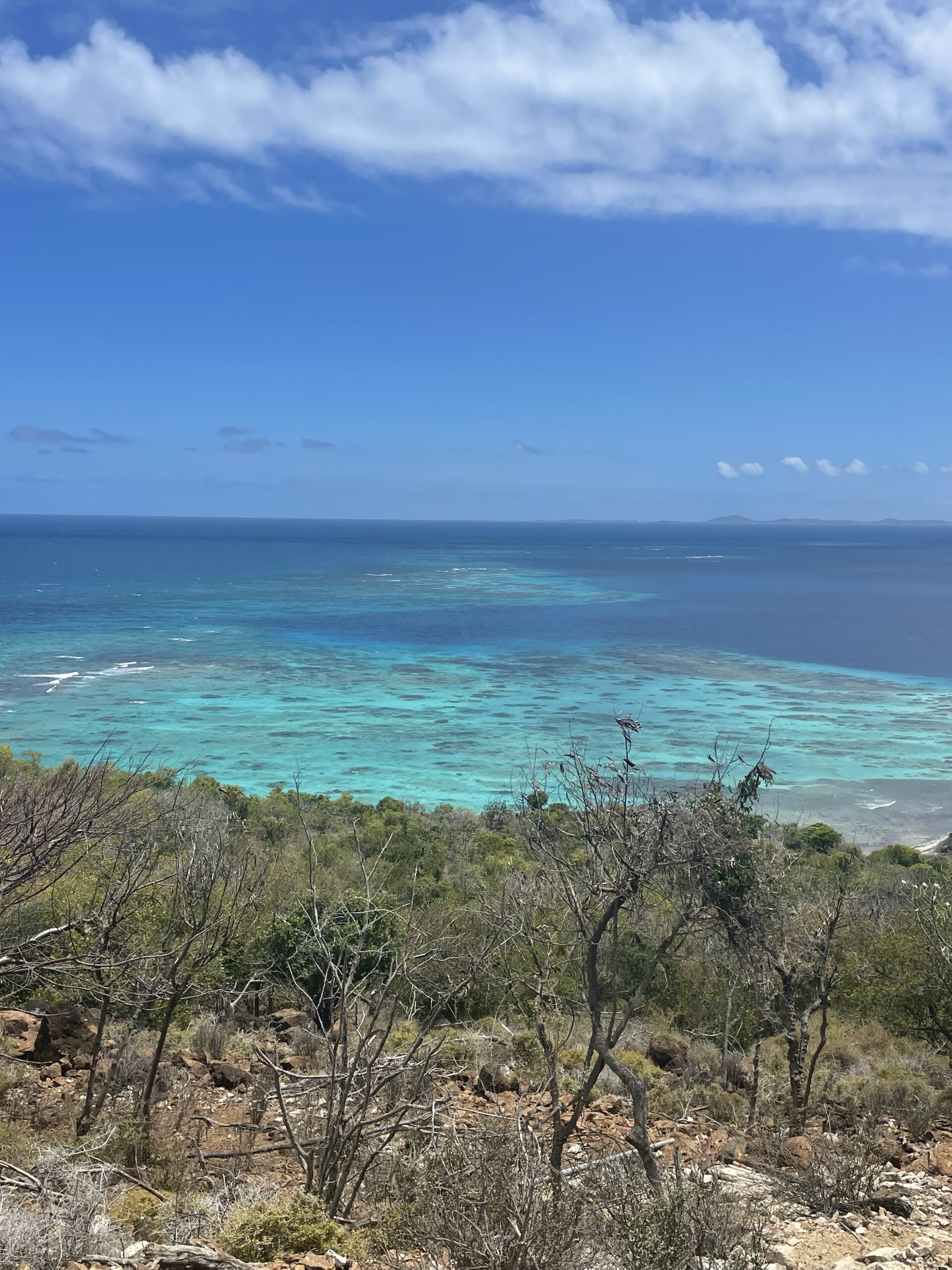
Culebra is one of the most natural and untouched islands in the Caribbean, that’s why it’s so special.
We live side-by-side with nature here, from the sea turtles to the tiny no-see-ums. They’re a small price to pay for crystal-clear beaches and star-filled nights.
Just come prepared, stay breezy, and know what to expect. That way, you’ll spend your trip soaking in paradise, not scratching through it.
✅ Most active: Dawn & dusk
✅ Protection: Repellent + light clothes + breeze
✅ Itch relief: Soap, cream, ice, antihistamine
✅ Not bed bugs. Not dangerous. Just tropical life.